USPSA Carry Optics With a Glock: The Rules and a Build Order
Carry Optics is the division that made red dots normal in American action pistol shooting, and a Glock is one of the easiest ways into it. The rules are narrower than most new shooters expect, though, and a few of them decide what you can bolt onto the gun before you buy a single part. This guide walks through the equipment rules that matter, then builds a Glock against them in order. It is a summary written in September 2026, not official text: read the current USPSA rulebook before you enter a match.
What the division actually asks for
The Carry Optics appendix sets a minimum caliber of 9x19 and a minimum power factor of 125, scored minor. Major power factor does not apply, so there is no scoring advantage to a bigger cartridge and almost everyone shoots 9 mm. An optical or electronic sight is required, and it has to be attached directly to the slide between the rear of the slide and the ejection port. Frame-mounted optics are prohibited. The complete pistol may not exceed 59 ounces with the optic fitted and an empty magazine inserted.
- Magazines: maximum length 141.25 mm (5.561 inches) measured with the basepad on.
- Compensators and barrel porting: prohibited. Slide ports are allowed.
- Barrels: an original or aftermarket replacement barrel is allowed.
- Magwells: internal dimensions may be opened up. Aftermarket external flaring is prohibited.
- Slide racking devices: prohibited.
- Lights and lasers: flashlights are allowed, lasers are not.
- Holster: must suit everyday use, race rigs are out, and it must cover the slide to half an inch below the ejection port. A drop-offset holster is allowed if the heel stays above the belt.
Note what is missing from that list: USPSA sets no minimum trigger pull weight for Carry Optics. That is different from IPSC, which does impose one on its equivalent division, so if you ever shoot under IPSC rules check that number before you tune anything.
Stage one: the pistol
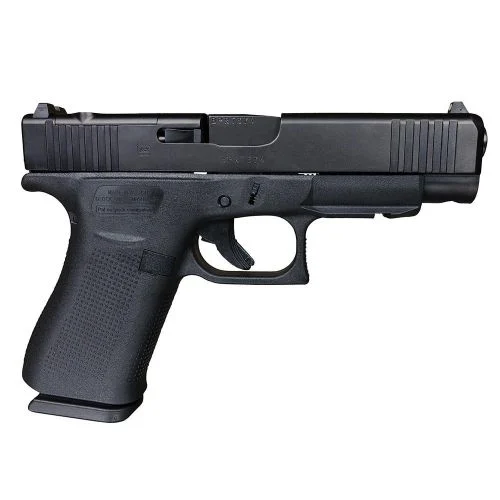
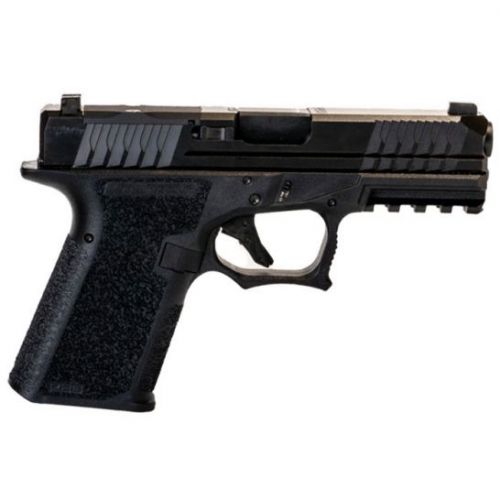
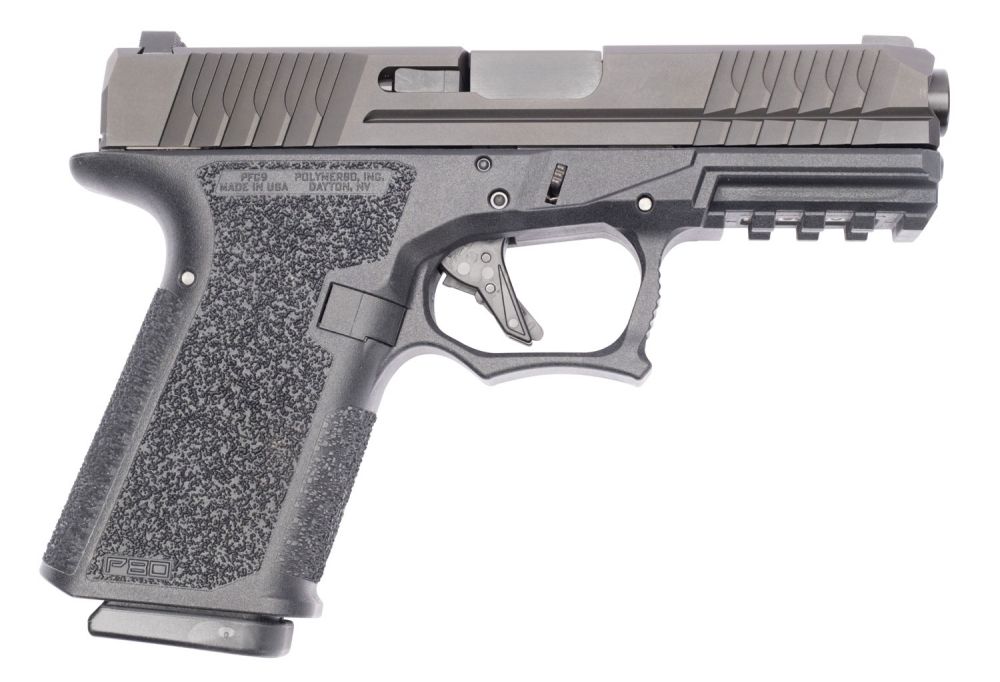
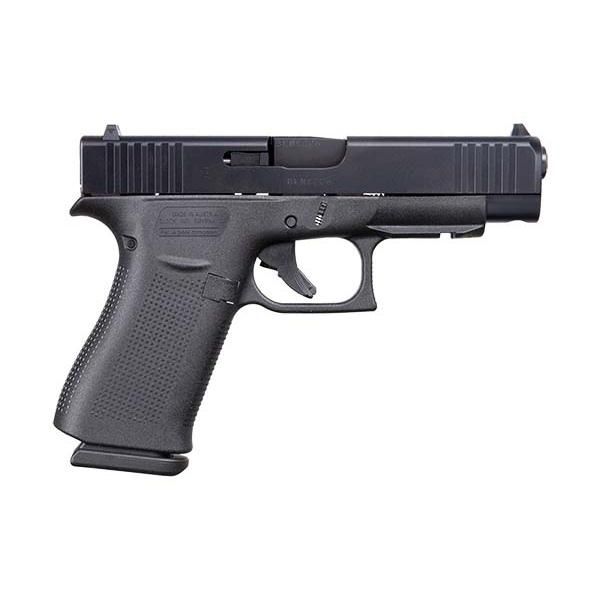
The obvious starting point is a G34 Gen5 MOS. It gives a 5.31-inch barrel, a factory optic cut, Gen5 trigger parts and the Glock Marksman Barrel, and it weighs 26.21 ounces with an empty magazine, which leaves well over two pounds of headroom under the 59-ounce ceiling. A G17 Gen5 MOS is the shorter alternative and is perfectly competitive; a G19 MOS works too, with a shorter slide and a shorter dot-to-muzzle picture. A G17L is legal if the slide has been milled for an optic, but you are buying gunsmithing to reach the same place. Our long-slide comparison covers that choice in detail. Current stock sits under MOS pistols.
Stage two: mounting the dot
MOS pistols ship with a set of numbered adapter plates, and each plate corresponds to a footprint rather than to a brand. The pattern most shooters end up on is the RMR footprint, which covers the Trijicon RMR and SRO and the Holosun 407C, 507C and 508T family. The Leupold DeltaPoint Pro has its own pattern, and the Aimpoint ACRO uses a different mount again. Check the plate number against your optic in the pistol manual, because the numbering has been revised across generations and an assumption here costs you a match.
Three practical points. Steel plates hold zero better than aluminium ones under repeated recoil. Use the correct torque and a thread locker on the plate screws and the optic screws, and check them between matches, because a plate that walks loose is the most common Carry Optics failure. And a directly milled slide, where the optic sits in the slide rather than on a plate, is lower, stronger and usually the upgrade people make second. Plates and optics are in optics and mounts.
Stage three: sights behind the dot
Iron sights are not required in Carry Optics, but almost everyone runs them. Suppressor-height sights are tall enough to appear inside the optic window, which gives you a backup if the dot dies mid-stage and, more usefully, a reference to find the dot fast on the draw. A fiber-optic front in a black serrated rear is the usual choice for daylight matches. Keep the front post narrow enough that it does not hide the dot. Sights are listed under suppressor-height sights.
Stage four: magazines and the 141.25 mm gauge
Every magazine you use must drop into the official gauge with its basepad fitted. A standard 17-round Glock tube with an extended aluminium or brass basepad, a competition follower and a stronger spring typically gets shooters to somewhere in the low twenties of 9 mm while staying inside the gauge. Do not take a vendor round count on trust: gauge every magazine yourself, loaded, before a match. Our magwell and basepad guide covers the parts and the fitting. Magazines are under Glock magazines.
State law can cut across this. Colorado caps handgun magazines at 15 rounds, and several other states cap them at 10 or 15, so magazines only ship where they are legal and your own rules decide what you can practise with at home. The city pages list the rules state by state.
Stage five: the trigger, the barrel and the magwell
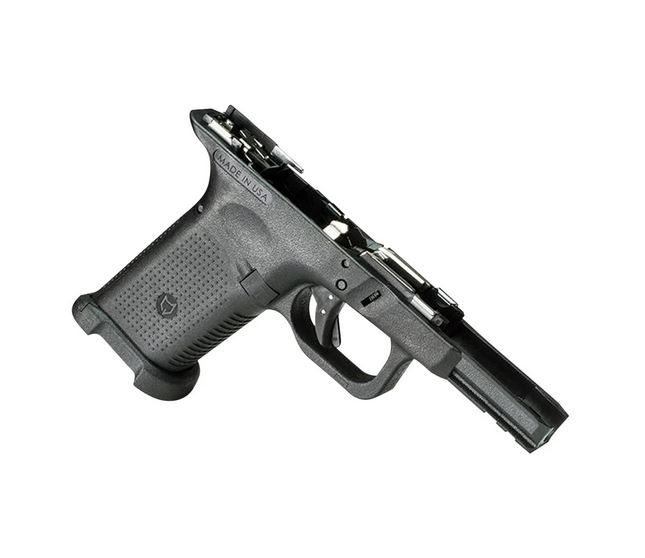
Because there is no minimum pull weight, trigger work is where most of the division's tinkering happens, and it is also where most of the reliability problems come from. Our trigger setup guide covers connectors, springs and the factory Performance Trigger and explains where to stop. A replacement match barrel is allowed and can tighten groups, but a compensator or a ported barrel puts you straight out of the division, which is the subject of our compensator and threaded barrel guide. On magwells, remember the rule above: you may open the internal dimensions of the frame, but a bolt-on external flare is not legal here even though it is in some other divisions.
How Limited Optics and Production differ
Limited Optics sits next door. It uses the same 141.25 mm magazine limit for double-stack guns, with 171.25 mm allowed for single-stack pistols, and it also prohibits compensators and barrel porting. It was created to give 2011-pattern and single-action guns a home. The power factor scoring in Limited Optics has been revised since the division was introduced, so confirm the current position in the rulebook rather than relying on older articles. Production is the iron-sight division: notch-and-post sights only, a maximum of 15 rounds loaded in any magazine after the start signal, no external magwells, and the same 59-ounce limit.
Before your first match
Weigh the finished pistol with the optic and an empty magazine. Gauge every loaded magazine. Chronograph your ammunition and leave margin above 125 power factor, because temperature moves velocity. Check your holster covers the slide to half an inch below the ejection port. Torque the optic screws and note the date. Then shoot a local club match before you enter anything bigger, because the equipment check is the least interesting way to learn a rule.
General information, not legal advice. Current as of September 2026. Laws change; check the official source before you act.